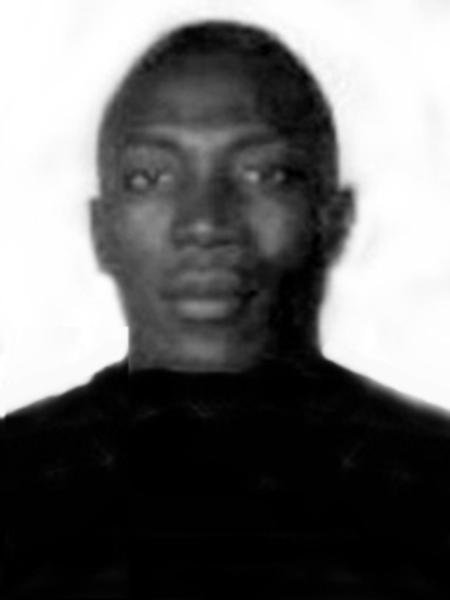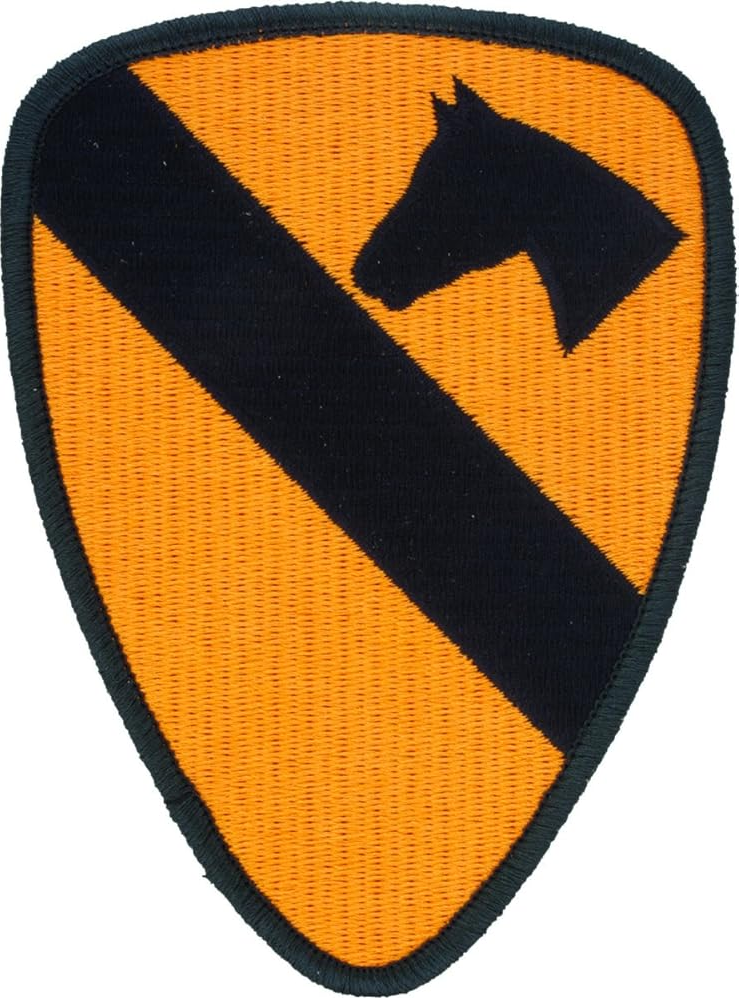
D Company Loss — Death of PFC James Getter, Malaria, March 16, 1971
March 16, 1971 — PFC James Getter, lost to malaria
Research page — in progress. Confirmed: PFC James Lee Getter of D Company, 2nd Battalion, 8th Cavalry died on March 16, 1971, of malaria — a non-hostile death recorded as "died of illness or disease." What is reconstructed here, and flagged as such, is where the company was and how the disease most likely took him. His platoon and the exact place of death await the unit record and his individual file.
On March 16, 1971, PFC James Lee Getter died of malaria. He was nineteen years old, from West Helena, Arkansas, and had been in Vietnam since the previous November — not quite four months. He is inscribed on the Vietnam Veterans Memorial, Panel 4W, Line 52.
A non-combat death — and a death of the war
Getter's casualty record reads "Non-hostile, died of illness or disease — malaria." No enemy, no firefight, no Purple Heart. But "non-hostile" describes the classification, not the cause. A soldier does not contract falciparum malaria at home in Arkansas; Getter caught it in a malaria-saturated war zone the Army sent him to. This page treats his death the way the Vietnam Veterans Memorial does — as one of the war's dead — and records it in the unit's timeline alongside the company's combat losses.
Where the company was — March 1971
This was not the later "Garryowen" period. In March 1971 the full 1st Cavalry Division (Airmobile) was still in Vietnam; it would not stand down until March 26, 1971 — ten days after Getter died — and the 3rd Brigade (Separate) that kept 2/8 Cav in country was not activated until April 30. Getter's death belongs to the division's final weeks of the war.
That March, D Company was operating in the FSB Mace / FSB Fontaine area of Long Khanh Province — FSB Mace sits in Long Khanh, FSB Fontaine on its border. The casualty record's location field — Long Khanh Province — is consistent with that area of operations, not the kind of scrambled province field that plagues other early records. Where Getter was within that AO on March 16, and which platoon he served in, are not established in the sources we have.
How malaria took men in the 1st Cavalry
The medical facts matter here, because they describe how a young, otherwise healthy infantryman could be dead four months into his tour — and they may jog a memory of Getter being ill.
In Vietnam, roughly 90% of malaria was Plasmodium falciparum — the dangerous, brain-attacking species — and the strains in this region were resistant to chloroquine, the standard preventive. The 1st Cavalry Division (Airmobile) had among the worst malaria rates in-theater, on the order of 350 cases per 1,000 men per year. In this unit, malaria was close to a routine hazard of being in the field.
The illness has two very different phases. The early phase is flu-like — fever, chills, headache, body aches — and easy to dismiss or push through; accounts of falciparum in Vietnam describe men being sick for roughly a dozen days before it crossed into the brain. A young soldier not wanting to come off the line could carry it, or have it written off as a low fever, for a week or more. The second phase is fast: once it becomes cerebral malaria, the fever spikes (104°F and above), coma can set in within one to three days, and untreated the disease can kill within 24 hours. Even with treatment, cerebral malaria still kills roughly one in five adults. This is almost certainly why Getter's death is dated to a single day: a long, deceptively ordinary illness, then a sudden, mortal turn.
Probable evacuation and place of death
A fatal malaria case means evacuation — a soldier this ill was not left at a firebase. The evacuation hospitals serving this area of operations were at Long Binh, reached by the daily QL-1 convoys the FSB Mace record describes.
The 24th Evacuation Hospital at Long Binh was an internal-medicine facility that treated malaria: it ran a large internal-medicine ward, a physician who served there recorded treating "tropical infections such as malaria and amebiasis," and its doctors adopted a policy of requiring two fever-free days before transferring falciparum patients — a rule put in place after men died during transfer. That last detail is grim corroboration that soldiers in exactly Getter's condition died at and around these Long Binh hospitals.
So the probable sequence: Getter fell ill in the Mace/Fontaine AO, was evacuated to the 24th Evac at Long Binh, and died there on March 16, 1971. The word is probable — without his individual medical records, the exact facility and place of death are unconfirmed.
Help us complete the record
If you served with D Company, 2/8 Cav in late 1970 or early 1971, or knew James Getter of West Helena, Arkansas, we would be grateful for anything you can share — especially if you remember him being sick before he was evacuated. Please reach us through the contribute form.
If you served with D Company, 2/8 Cav in late 1970 or early 1971, or knew James Getter of West Helena, Arkansas, we'd like to hear from you. He died of malaria on March 16, 1971, about four months into his tour, while the company was working the FSB Mace / FSB Fontaine area. Do you remember him being sick — running a fever, the chills, maybe brushing it off and staying on the line before he was finally evacuated? Even a small memory helps. You don't need to have researched anything or know the operation's name — a nickname, a face, or a fragment of that time all help us complete the record.
Share what you know →Malaria does not pass from person to person — it comes from the same mosquitoes biting men in the same place — so the troopers who shared Getter's position were the most likely to have been bitten alongside him. Did others in D Company come down with malaria around this time, from late 1970 into the spring of 1971? Do you remember men pulled off the line with fevers, or the routine of the weekly and daily anti-malaria pills? Anything you recall about the company's bout with malaria in this period helps us understand what took James Getter.
Share what you know →