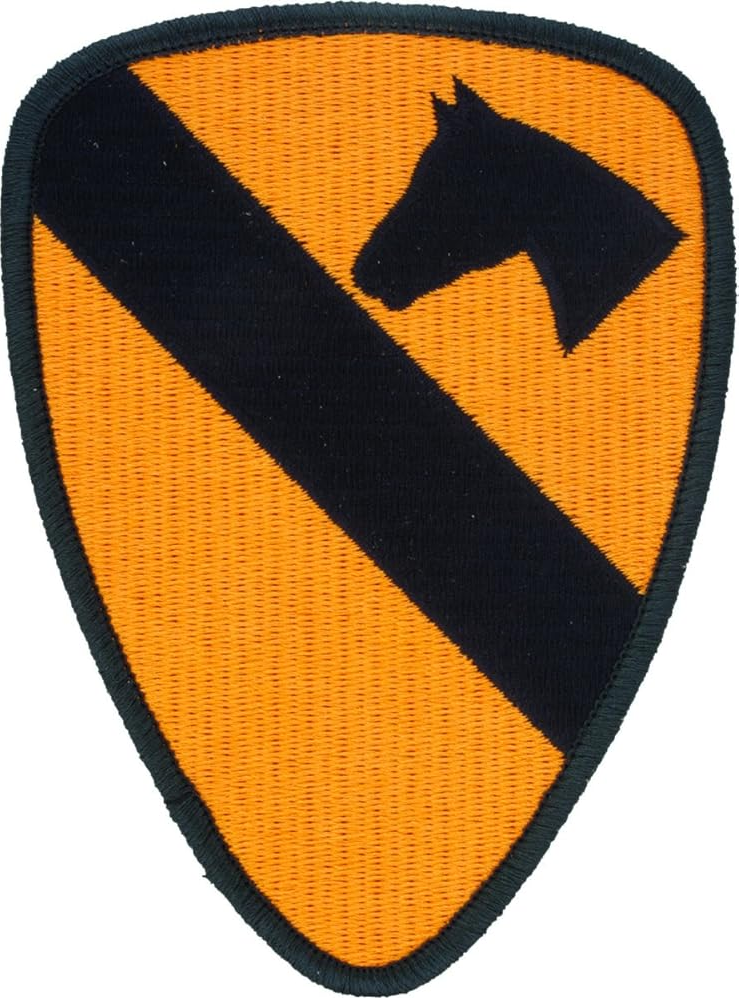
I Could Only Tell Him to Hang On
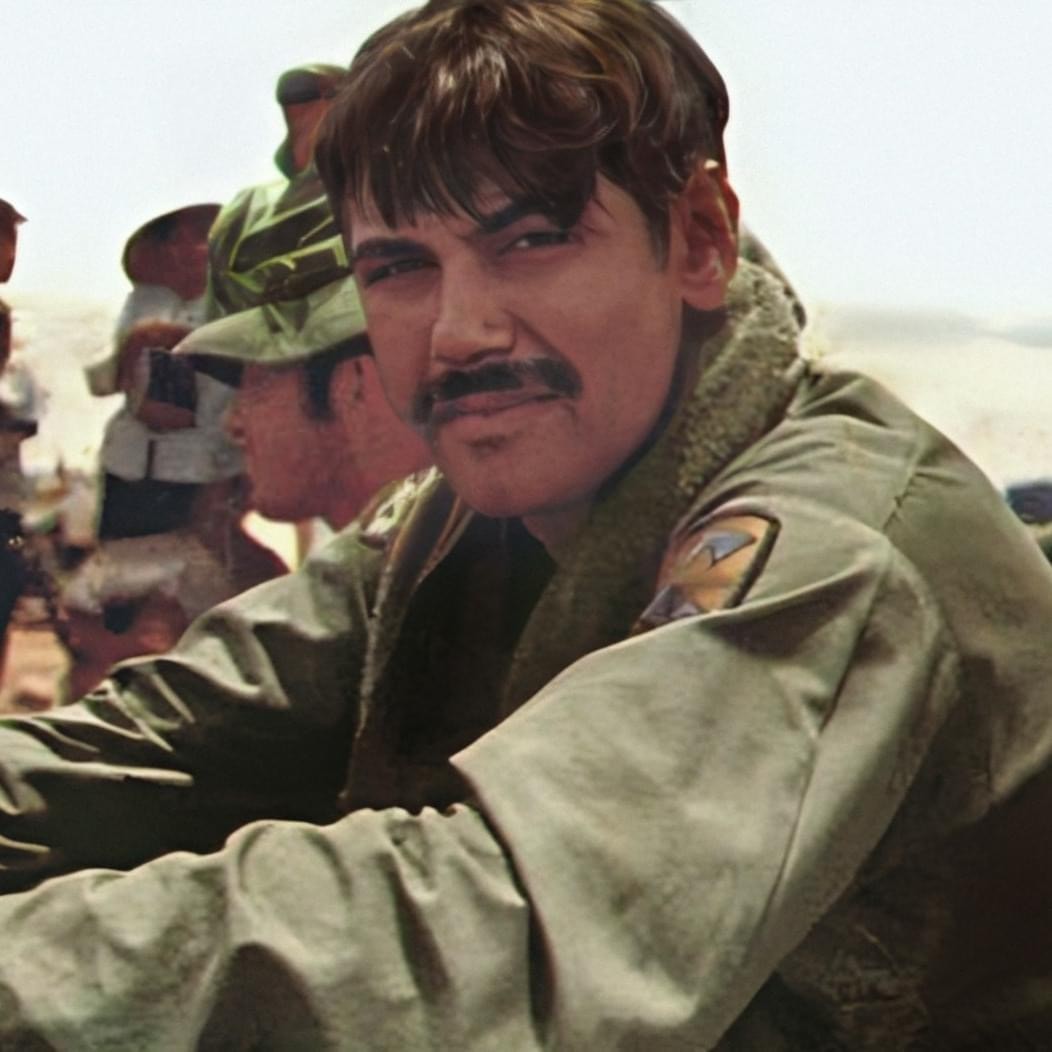
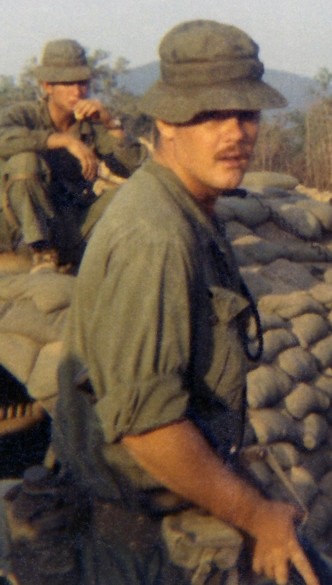
Captain Bill Neal was Company Commander of D Company, 2/8 Cavalry, on April 20, 1971. This is his account of that day.
Fire Support Base Fanning was in the last stages of completion. It was located just north of Route 1 to the east of Gia Rai Mountain in Long Khanh Province, the Second Battalion 8th Cav and an attached battery of 105 howitzers were its sole occupants.
On the morning of April 20, 1971, I was ordered to take Delta Company to patrol due north to see what was out there and report any signs of enemy activity. Intel had only vague reports of "possible enemy activity" in the area.
The Angry Skipper Company D/2/8 had three maneuver platoons — 1st (White Skull), 2nd (Rifle Range), and 3rd (Wild Cat). There was no operational weapons platoon at this time. Each platoon's field strength was 30 to 35 men. Skull Platoon had peeled off for another mission not far away from us. As the two remaining platoons moved into the tree line, we went into trail formation with Range in front, followed by Cat.
The terrain around Gia Rai Mountain is relatively flat with double canopy jungle. There are also some small open areas, both natural and those made by native tree cutters. We moved around the area rather easily. There were no real signs of enemy activity although it was obvious that wood cutters had been in the area in the recent past. By noon we were five clicks out when lead elements of Range reported a very heavy east-west trotter running on the south side of a fairly deep and wide stream.
Range put out security to the flanks and the Command Post moved forward to take a look at the trotter. The CP usually moved behind the lead platoon with the Company RTO in front of me, the Battalion RTO behind me, followed by the FO and his RTO.
The trotter was definitely a major trail, almost two meters wide with heavy use. I ordered Range to cross over to the north side of the creek to see what was there. They reported a similar trotter on that side. We called it in to Battalion HQ.
At this point I was really curious about these trails. I had patrolled this area extensively in 1967 and 1968 with ARVN Strike forces and I had never seen a supply trail this big anywhere around Gia Rai Mountain. But the Provincial capital of Xuan Loc was about 30 klicks to the west and Gia Rai mountain was about 10 klicks to the northwest, so I figured this was probably a supply trail between Xuan Loc and some enemy base camp around Gia Rai.
I ordered Range to send a patrol west about 500 meters, cross over the stream to the south and patrol back to Cat's position. I ordered Cat to send a patrol east 500 meters cross over the stream and patrol back to Range's position. Both patrols were to call in before crossing over the stream so we would only have one crossing going on at a time. Everyone else was to take up a hasty defensive position to hold tight.
At about 400 meters to the east, Cat's patrol spotted dinks bathing in the stream in front of them, their uniforms and AKs on the bank. I ordered them to lay low unless the dinks started moving out, then fire 'em up.
I then ordered Range to get its patrol back ASAP and Range Six to get ready to deploy east, parallel to the trail on the north side of the creek. The remainder of Cat and the CP were to deploy east on the south side of the creek. I wanted to move in parallel so we had to wait until Range recovered their patrol. Cat's patrol was feeling like they were really hanging out with backup over 400 meters away through thick jungle — I could hear it in the RTO's voice.
At this point I strongly suspected we had caught a VC supply unit simply taking an early afternoon break and we were going to make them pay for carelessness and find out what they were carrying. I had seen this kind of activity several times during my first tour. A problem was that I didn't know which side of the stream they were going to end up on.
There was a Pink Team nearby, a cobra helicopter gunship covering a scout helicopter that would fly low to spot the enemy's trail. I got the low bird over the stream and vectored him in to where the VC were bathing to see if they could see anything, or draw some fire.
The low bird got over the area just as Range's patrol was coming in. I ordered everybody to immediately move out to the east parallel to the stream, but off the trotter. Cat's patrol reported the dinks were scrambling from the stream and I told them to fire 'em up. Cat's patrol was reluctant to initiate a firefight until they knew we were closer in to back them up, and they held fire. I remember grabbing the radio mike and growling at them to fire up the dinks.
The low bird reported he didn't see anything, but it was really thick along the streambed. He didn't draw any fire either. Range, on the north side of the stream and Cat (main) and the CP on the south side of the stream were moving approximately parallel to the east. We were both moving outside the trotters, so visual confirmation was impossible. We judged our progress by how far we had moved from Range's original crossover point.
As we got close to Cat's patrol, they opened up. I heard just one or two M-60 rounds go off, then a long pause before a few M-16s started firing. The M-60 had jammed.
Cat's patrol, the lead elements of Cat (main), and the CP started taking sporadic return AK fire. I figured we had the enemy on the run.
Just then my RTO said Range had spotted a hooch or shithouse. That took a second to sink in, then it hit me like a brick — base camp! That meant an enemy force possibly larger than I had been thinking. I needed to stop Range before they stumbled into it.
I was just reaching for the radio to stop Range when all hell broke loose on the north side of the stream. First intense AK fire then I heard at least two Chicom claymores blow, then RPGs, accompanied by the screams of the wounded. The volume of small arms fire from both sides was really heavy, rock 'n roll all the way.
Intensifying fire from across the creek pinned down Cat and my CP. Only then did I realize that the north bank occupied by the enemy was higher than the south bank at this position; the enemy had a distinct advantage. I remember noting our fire was probably going too high and we needed to fix that quick.
Word was shouted that Range Six, LT Bott, was hit. The fire fight on the north side was horrendous. I tried to maneuver the CP element to back up and get across the stream, thinking I could get over there and sort it out, but the crossing in front of us was under heavy fire from the enemy on the north side. The sound of whack-whack-whack told me the tree I was standing behind was taking incoming AK hits, and most of the CP went to ground.
The radio said Range Five was down. SSG Dillon was probably the most experienced and aggressive platoon sergeant in the company. I knew Range was now in very serious trouble with both their platoon leader and platoon sergeant hit; my people on the north side of the creek were dead and dying.
The medic moving with the CP wouldn't cross the stream under fire, so PFC Tom Vollmar grabbed his medical kit and some ammo, backed down the stream, and started to cross over — he went down, and I thought he was hit but he got back up and disappeared into the jungle on the north side of the stream.
I yelled at Cat's trail squad to move back down the stream to the west, cross over, and come in behind Range, get them out of there, and hold the crossing site no matter what. The remainder of Cat was to continue firing from the south and keep the dinks' attention.
The battalion RTO told me the battalion log ship was inbound with another basic load of ammo to kick out near our position.
I remember noting that somebody on the north side was raising royal hell with an M-60. I hoped it was one of ours. I remember thinking that maybe it wouldn't be too bad if we still had an M-60 engaged, though the volume of M-16 fire had become really weak.
I ordered a couple of men to break off to the south, find a good kick out point, secure it, and pop smoke to mark a drop spot for a log ship. I planned to fall back into this log site and dig in if I could get Range back across the stream. Cat's patrol took the kick out and also reported finding an opening big enough for a one-ship LZ further to the south.
I moved the CP back west to the stream crossover point. By the time we got there some of Cat's men and Range's few unwounded men were bringing Range's wounded across the creek and shuttling them back to the drop point to our south for medevac. The medics were going crazy trying to patch up as many as they could. They had a priority one for medevac for one of the men, a severe head wound.
About then they brought over SSG Dillon. I walked over to him. He looked up at me and said: "Skipper, you gotta get me outta here! I'm hit bad." He had one of the worst wounds I had ever seen. I could only tell him that he had to hang on, we had to get a priority one out first. I don't recall seeing LT Bott, but was incorrectly told he was being medevaced.
I kept trying to get an account of who was left on the north side. One of the last men across said there were three guys up front who they couldn't get to and said they were definitely KIA.
I weighed the possibility of trying to get them out, going back over to the north side of the creek and trying to move up in front of a dug-in enemy force that obviously had their shit in order. I couldn't risk more men under these circumstances to retrieve the bodies, and I prayed the reports were right, that they were not still alive waiting for help. Later I found out that LT Bott and Steve Schneck, the wounded machine gunner, and Gary Collins who took over Schneck's gun were among the last to come across the creek. For some reason in the chaos I missed that.
As soon as the initial medevacs were out, I ordered the pull back into a perimeter around the small LZ.
Not knowing for sure the status of those three men has been a source of great personal anguish since that day.
I could not get an accurate count on Range's wounded. Three were KIA and at least 5 more were seriously wounded, including Range Six and Range Five. The three KIAs were CPL James Melvin Cardwell, CPL Danny George Drinkard, and CPL Joseph Lindsey Hall. Cardwell and Drinkard had been walking point and caught the full blast of one of the NVA claymore mines.
Hall had been somewhere in the back of the column. As soon as firing started, Hall scrambled all the way up the line forward past the other troops to help Dillon. When the shit hit the fan, Dillon was hit badly by one of the claymore mines and shot three times. Hall was killed by enemy fire while laying down fire to cover the other men.
Steve Schneck, though severely wounded himself, continued to lay down the base of fire that allowed Range to back away from the bunkers and get back across the stream. As he was pulled back Gary Collins took over Schneck's gun and continued to cover the withdrawal.
At this point I recall that the Battalion Commander, LTC Bacon, was briefly on the radio from his Command & Control chopper, and I'm sure he was also monitoring my company net. Being the good commander he was, he didn't try to tell me what to do — he just wanted to make sure I had everything I needed to get control of the situation, especially medevacs and fire support.
As soon as the medevacs had taken out our wounded, I got dedicated artillery support and air support. We fired everything on that base camp the FO and I could get our hands on, including eight inchers out of Xuan Loc.
Then I got an air strike, six F-100s with 500-pound bombs. The first F-100 was short and we took a lot of shrapnel and blast from these bombs. The Forward Air Control officer who flies an observation plane to mark the target and guide in the jets got one royal ass chewing over the radio from this very angry skipper. I guess he was the first convenient target for my utter frustration with how badly this battle had turned out. The FAC simply replied "new pilot," prompting another white-hot burst of my verbal abuse. The rest of the sorties seemed to be on target.
I don't remember a lot of the next few hours when we got dug in, redistributed supplies and ammo and other routine things a damaged company does, since I was trying to figure out how I could have lost an entire platoon in 10 minutes. COL Louisell, my old Brigade Commander in 2nd BDE and now Deputy Commander of 3rd BDE (Independent), flew in and told me we had done a good job. It didn't stick with me that day. I knew too well this was no time in the war to be assaulting enemy base camps. US withdrawal seemed inevitable, winning was not in the cards, and sending our men home alive to their families clearly biased how we tried to fulfill our mission.
Skull Platoon was choppered in to join us and bring us back up to strength. LT Michael Martin, Skull's platoon leader, took charge of perimeter defense and half a dozen other things while I coordinated the aerial assault and artillery onto the bunker complex.
Before dusk we moved further east, parallel to and south of the stream, beyond the enemy base camp. We set up a defensive perimeter around an outcropping of rock. I didn't want to be where the bad guys knew we were. The acting FO, SGT Steve "Tank" Kahnke and I stayed up all night directing artillery fire on that damn base camp. Eight-inch shell fragments were occasionally bouncing off rocks above us. We fired a bunch of artillery that night, some of it danger close.
My men, normally full of self-confidence and vigor, were gloomy and subdued.