Vung Tau
Early History & Colonial Era
Situated on a peninsula at the mouth of the Saigon River, Vũng Tàu served for centuries as a sheltered maritime anchorage and fishing port. During the French colonial period, it was renamed Cap Saint-Jacques and transformed into a premier coastal retreat, popular with French officials and wealthy Saigonese for its ocean breezes, beaches, and seaside villas, while also serving as a strategically fortified naval vantage guarding the water approach to Saigon.
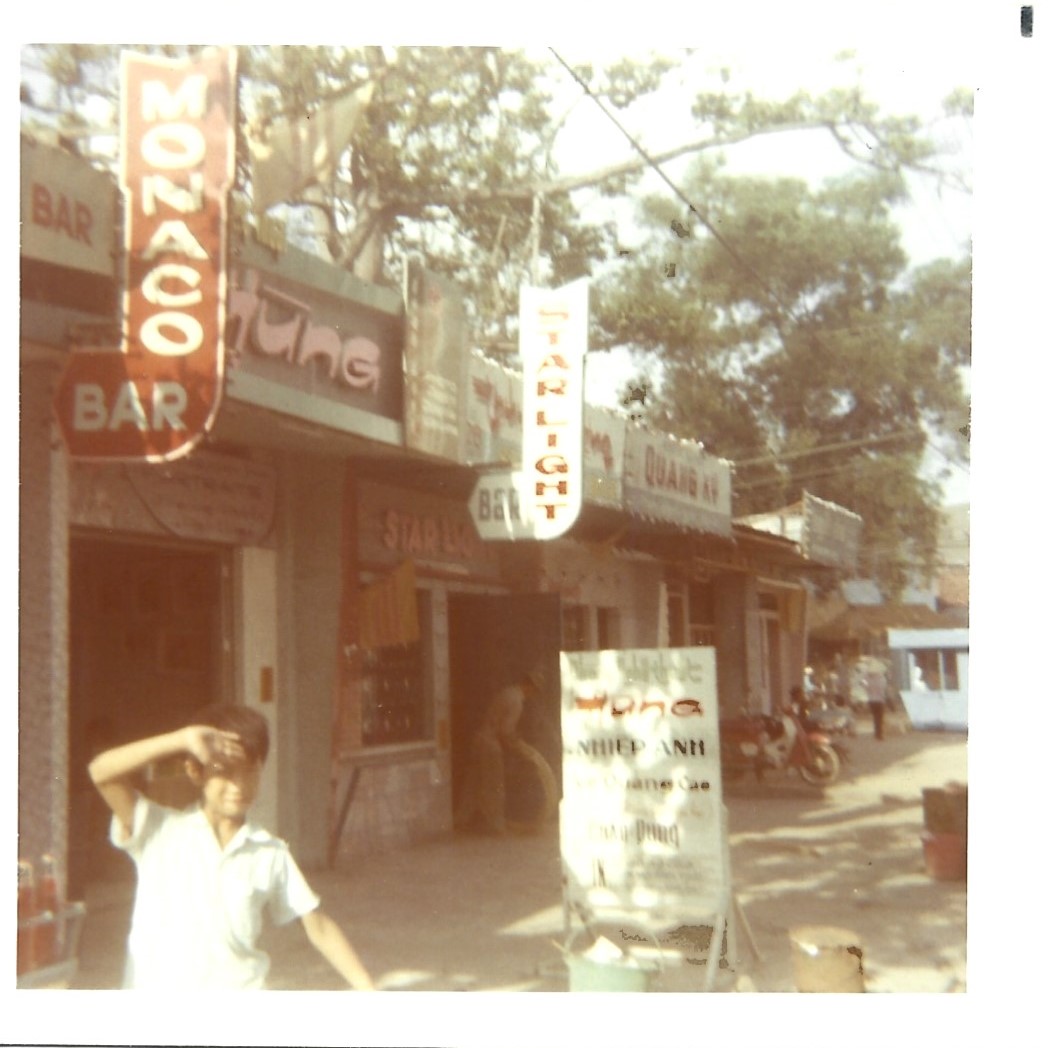
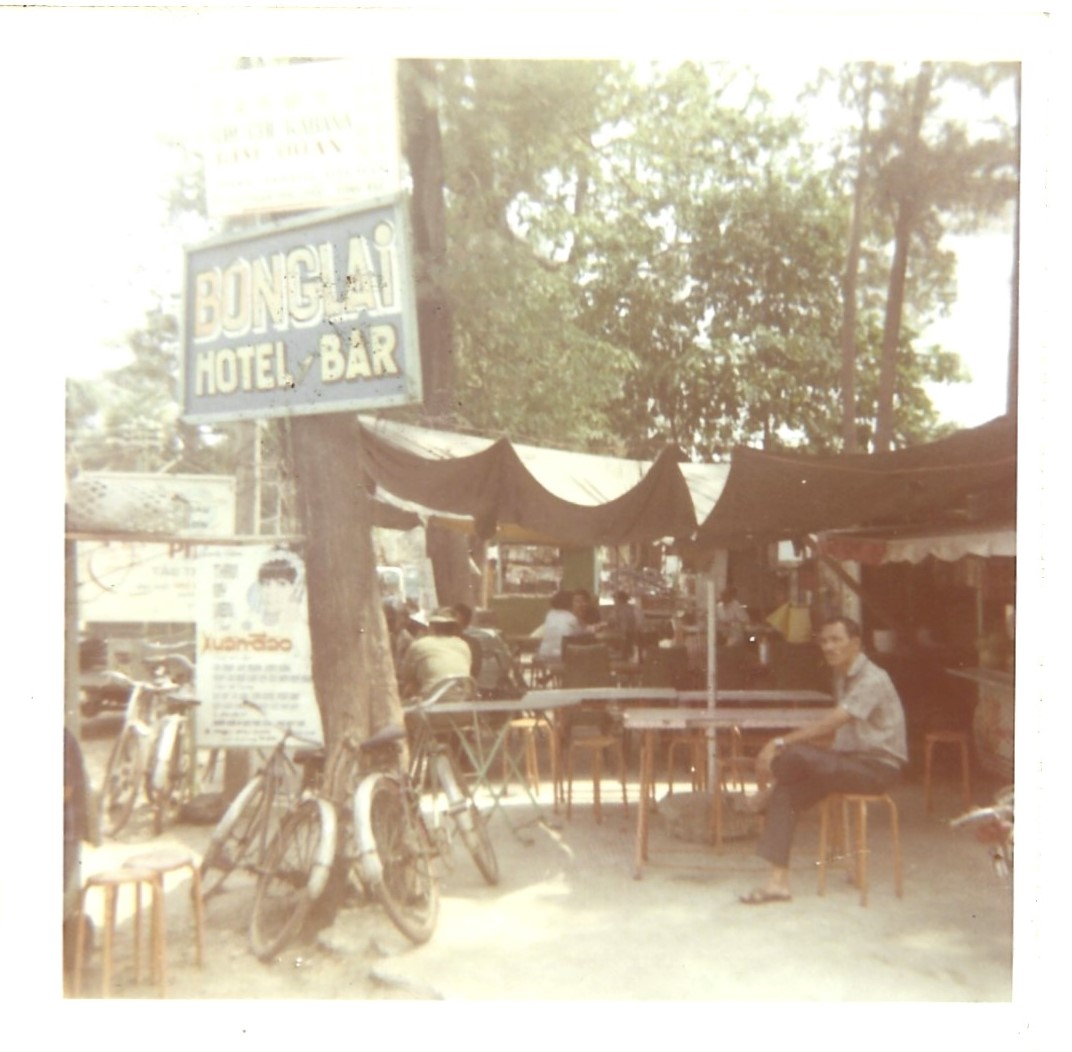
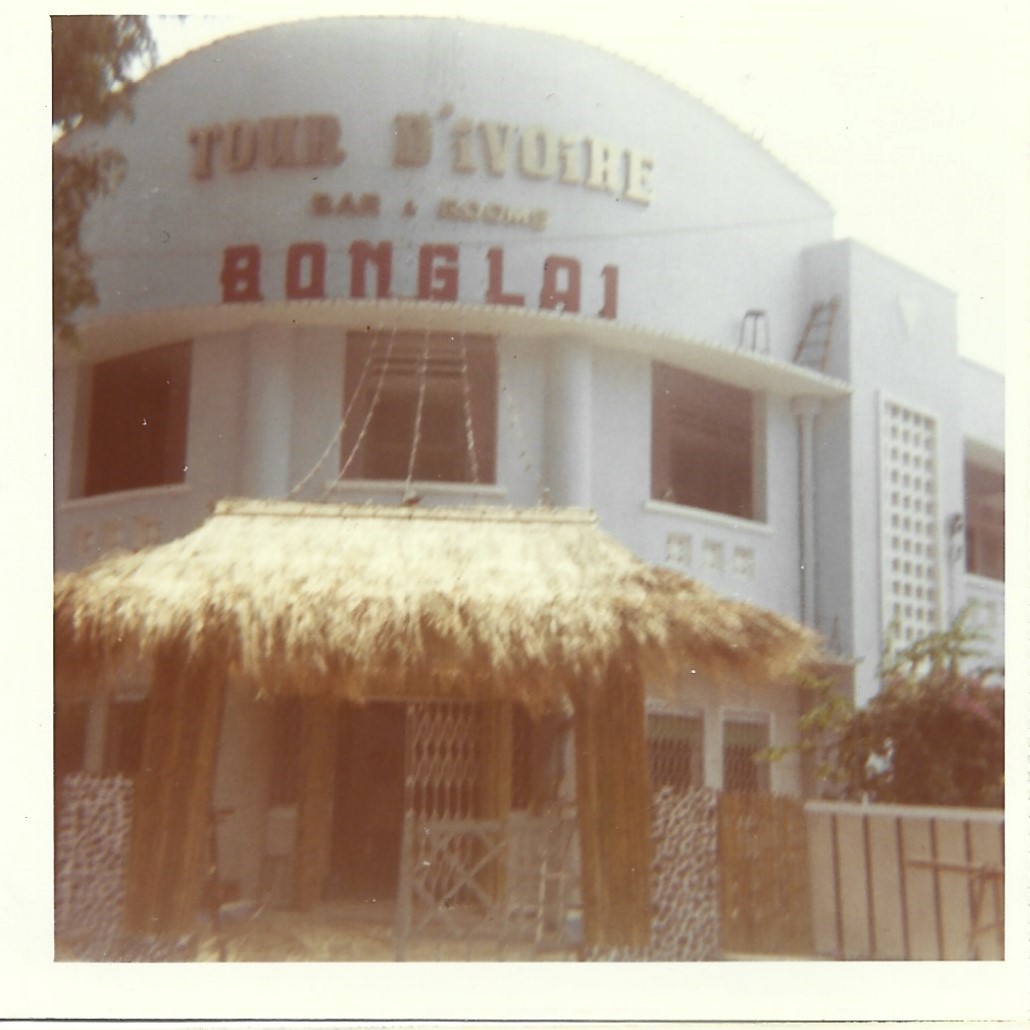
Role in the Vietnam War: In-Country R&R Hub
During the Vietnam War, Vũng Tàu became one of the most prominent logistics bases and in-country Rest and Recuperation (R&R) centers for Free World forces, particularly U.S. and Australian troops:
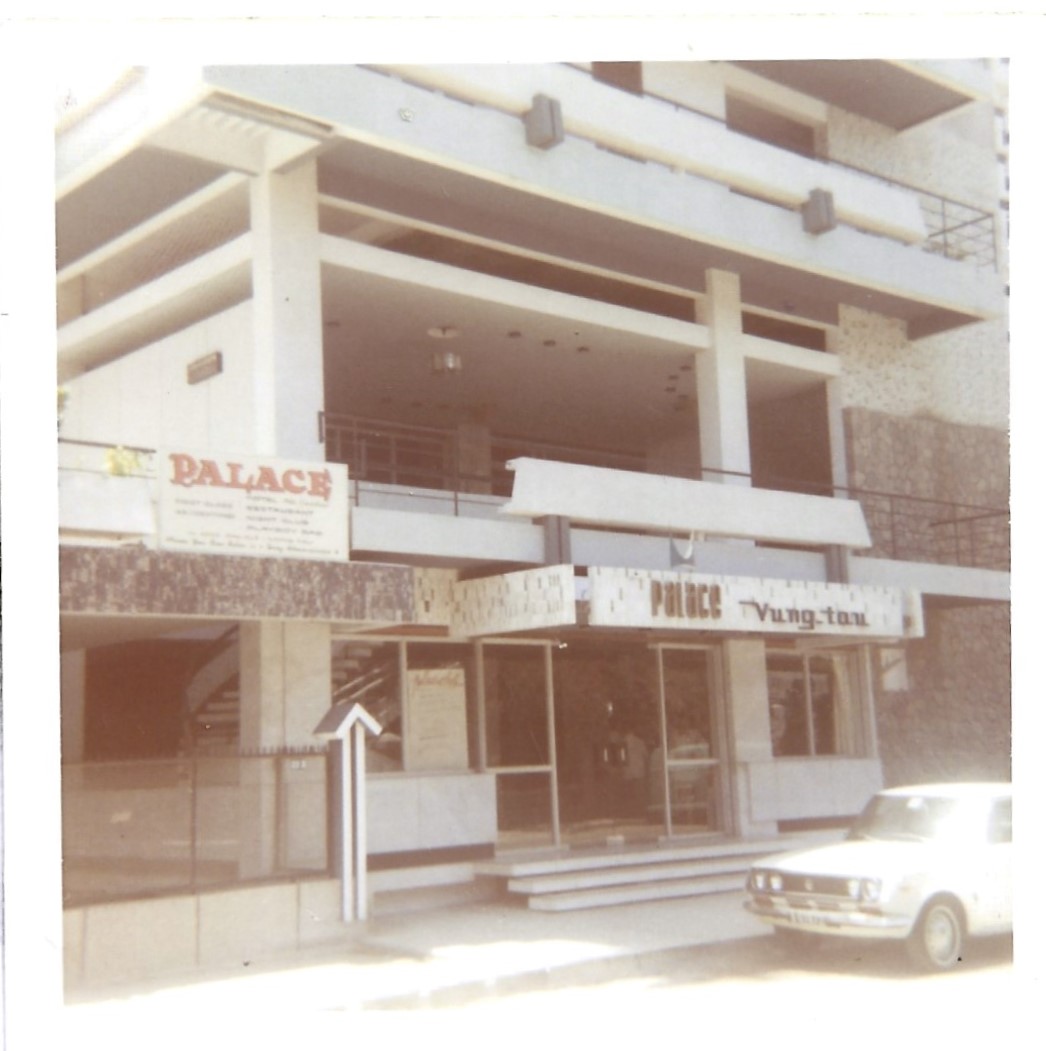
- The In-Country R&R Center: Operated on the peninsula’s long sandy coastline (notably along Back Beach / Bãi Sau), the center offered combat troops a short reprieve (typically three to five days) straight out of the field. Troops traded jungle fatigues and combat gear for civilian clothes or swim trunks, enjoying beachfront accommodations, hot meals, cold beer, sports, and live USO entertainment without leaving South Vietnam.
- Australian Task Force Logistics: The 1st Australian Task Force (1ATF) established its primary logistics and support base at Vũng Tàu, including field hospitals (such as the 8th Field Ambulance and 1st Australian Field Hospital), repair yards, and supply depots feeding operations into neighboring Phước Tuy Province.
- U.S. Logistical & Air Hub: The deep-water harbor accommodated massive sealift operations, while Vũng Tàu Air Base served as a bustling staging point for troop movements, helicopter maintenance, and medical evacuation flights.
Because the peninsula was relatively isolated, heavily garrisoned, and mutually recognized as a rest haven, it remained one of the most secure enclaves in South Vietnam throughout the height of the war.
Fate in 1975
During the final North Vietnamese offensive in April 1975, Vũng Tàu became a desperate bottleneck for tens of thousands of retreating ARVN soldiers and civilian refugees hoping to escape by sea. On April 30 and May 1, 1975, as Saigon fell, North Vietnamese forces captured the city and port, bringing an end to its era as an allied sanctuary.
.jpg)