D Company Loss — PFC Michael Paul Santoroski, Land Mine and Died of Wounds, September 1967
September 6–26, 1967 — PFC Michael Paul Santoroski
Incident page. Primary source: newspaper obituary published in the Hazleton, Pennsylvania area, October 1967 (Santoroski family copy), supplemented by Virtual Wall and VVMF records. Santoroski's position on September 6 and the name of the Philippine hospital where he died are not established in available sources.
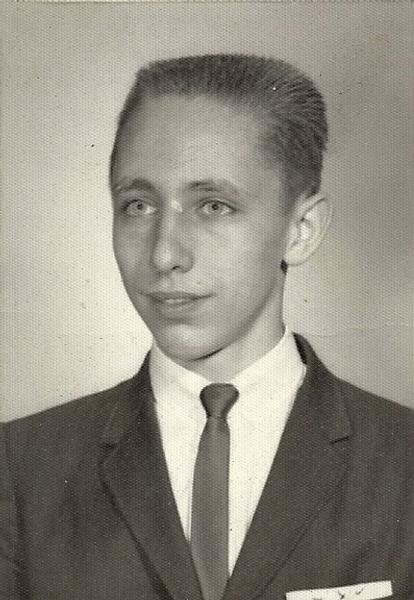
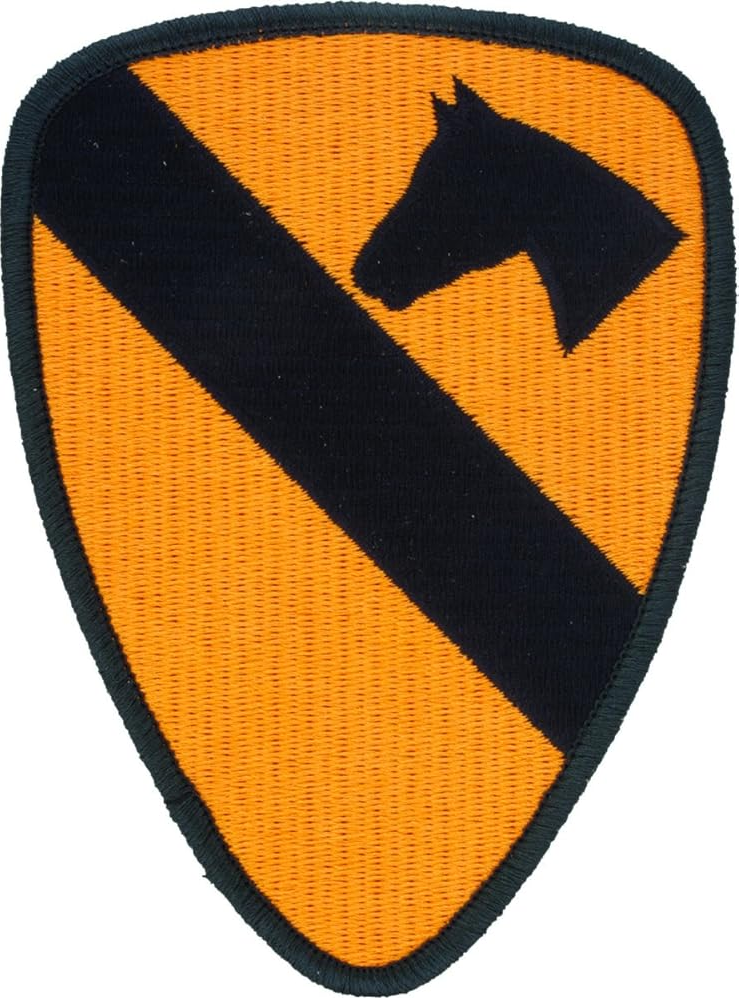
On September 6, 1967, PFC Michael Paul Santoroski stepped on a land mine somewhere in Binh Dinh Province and was gravely wounded. He was twenty years old, a mortar crewman with D Company, 2nd Battalion, 8th Cavalry, and he had been in Vietnam for exactly one month. Twenty days later, on September 26, he died of his wounds at a U.S. Army hospital in the Philippines. He is inscribed on the Vietnam Veterans Memorial, Panel 27E, Line 16.
Seven weeks into his tour
Santoroski arrived in-country on August 6, 1967, assigned to D Company as an 11C10 — an indirect fire infantryman, mortar crew. The company was operating in Binh Dinh Province under the umbrella of Operation Pershing, the 1st Cavalry Division's year-long mission to destroy the NVA and Viet Cong presence on the Bong Son Plain. Land mines and booby traps were among the operation's most constant hazards: the plain's paddies, dikes, and paths were threaded with pressure-activated and command-detonated devices, planted by both the 95th NVA Regiment and local VC units. Seven weeks into his tour, Santoroski found one.
The mine took both legs below the knees. He was evacuated from the field — first to Vietnam, then to a U.S. Army hospital in the Philippines.
The letter
Four days after the wounding, he wrote home:
"Mom, please have courage. It's hard for me and you can make it easier if you are strong. God had planned for me. I accept it for I have my whole life ahead of me and I'm determined not to let this get me down."
He told his family he expected to be transferred first to Tokyo, then to Walter Reed Army Hospital in Washington — the standard evacuation chain for seriously wounded soldiers going home. He was resolved. He was going to get through this.
He was twenty years old and had just lost both legs below the knees. He died sixteen days after writing that letter.
Died of wounds — twenty days later
PFC Santoroski died at the Philippines Army hospital on September 26, 1967, twenty days after the wounding. The VVMF lists his casualty province as "Unknown" — the standard designation when a soldier dies outside Vietnam, with no Vietnamese province on record. He was brought home and buried after a high mass of requiem at St. Stanislaus Church in Hazleton, Pennsylvania — his grandmother's parish — and interred in the parish cemetery.
He was survived by his parents, Joseph F. and Marie E. (Lickvar) Santoroski, of Kingston, New York; his brothers Robert, Stephen, and Thomas; and his sister Barbara.
A Pershing casualty — not a Bolling casualty
One detail matters for the unit record: Santoroski's official casualty date is September 26, which falls inside the window of Operation Bolling (September 19 – October 14, 1967), when 2/8 Cav was temporarily attached to the 173rd Airborne Brigade west of Tuy Hoa. He had nothing to do with Bolling. He was wounded on September 6, more than two weeks before Bolling began, in the Pershing AO in Binh Dinh Province. He was already in a Philippine hospital when the battalion moved south. His death is a Pershing casualty, dated to the window of Bolling only because DOW cases carry the date of death rather than the date of wounding.
Help us complete the record
If you knew Michael Santoroski — in Kingston, New York, where he grew up, or with D Company in Vietnam in the summer of 1967 — please reach us through the contribute form. He was one month in-country when he was wounded. Any memory of him — a face, a name, a fragment of that time — helps complete the record.
If you knew Michael Santoroski — in Kingston, New York, or with D Company, 2/8 Cav in Vietnam in the summer of 1967 — we'd like to hear from you. He arrived in August 1967 and was seven weeks into his tour when he was wounded. What do you remember of him?
Share what you know →