Life in the Bush — Field Operations Under Capt. Wolf Kutter
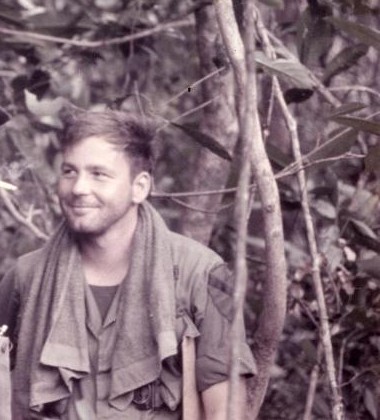
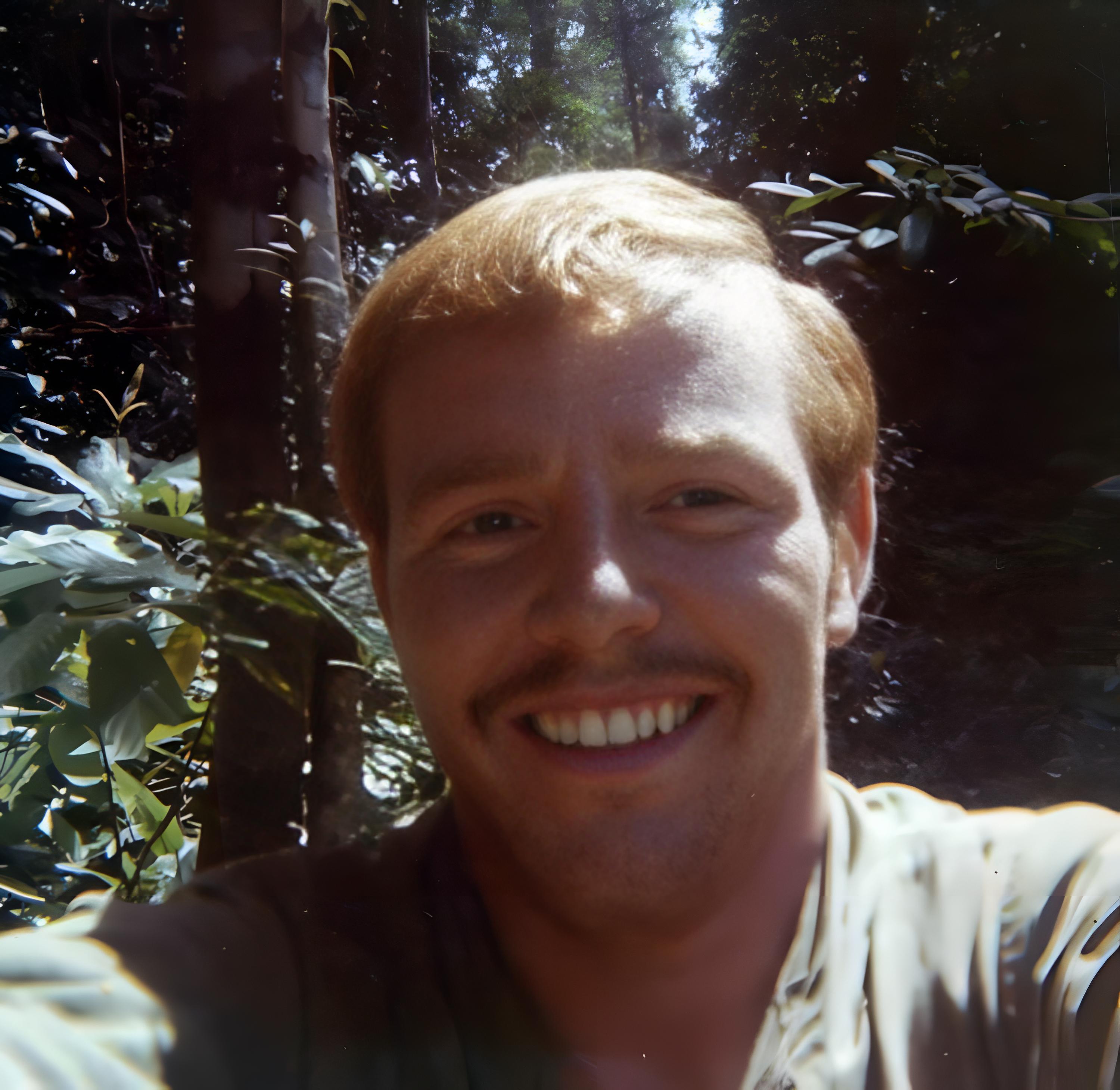
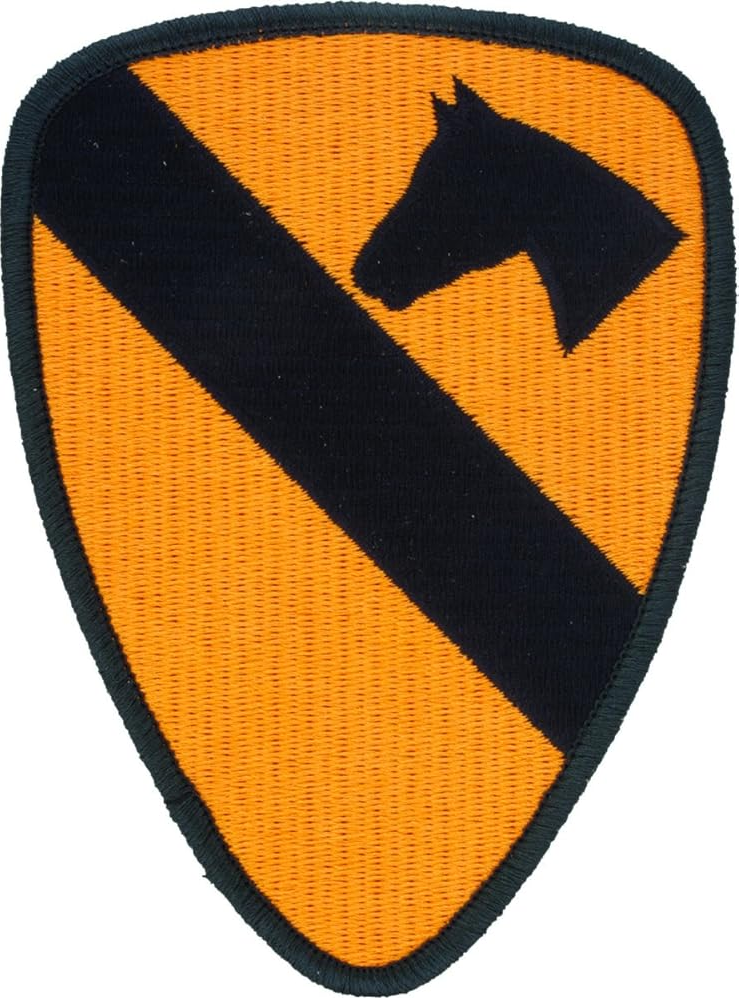
Capt. Wolf Kutter took command of D Company, 2nd Battalion, 8th Cavalry in September 1971. The notes below were compiled from an interview with him about how the company's recon squads and platoons operated in the field — the daily rhythm of a "Wild Cat" or "Range" trooper in the last full year of the war. They describe the responsibilities Marvin Miller would have carried as a squad leader, and the routines that governed life in the bush.
The squad
A squad leader was responsible for five to eleven men. On the move, the squad ran in a set order: a point man and a compass man up front, who often swapped positions; the squad leader behind them; the RTO (radio operator) typically next; riflemen and the M60 gunner following; and a trail man last, watching the rear for signs of ambush or movement.
Keeping the squad supplied
When the unit was "logged" — resupplied by air — the squad leader made sure every man got what he needed:
- ample water for each man, plus purification tablets
- clean uniforms (which didn't always fit)
- rations
- adequate ammunition for every weapon
- smoke grenades for marking positions (pink and yellow)
- white phosphorus grenades
- Claymore mines for defense or for setting ambushes
He was also responsible for making sure everyone took their malaria pills, and for tracking distance on the move — roughly 109 steps to 100 meters in the jungle.
Setting up for the night
At night the unit set up an NDP (Night Defense Perimeter):
- They typically stopped around 4:30 p.m. to begin setting up.
- The perimeter was laid out in a triangle with a machine gun at each point.
- Watch shifts rotated every two hours.
- Men woke 30 minutes before move-out to pack up everything.
- No garbage was left behind — the VC would use it to make booby traps.
A secure sleeping area meant spreading insecticide to keep away leeches, scorpions, and centipedes while troopers slept. Men used hammocks or air mattresses.
On the move and in contact
Platoons moved in a "V" formation — one platoon leading with two trailing in parallel, or two forward and one in the rear — roughly 600–800 meters apart, with the command post usually traveling with the trail platoon. If contact looked imminent, the platoons closed up to about 300 meters. Above all, they watched for fresh cuttings that signaled recent enemy activity.
The unit was resupplied every three to four days, completing the log roughly 600–1,000 meters from the area of operations and unloading within four hours. If the enemy was spotted, the unit called in a Pink Team — typically a Cobra gunship — to put rockets into the AO; if in contact, they could call artillery from the fire support base or air strikes.
Back at the firebase
When the company came in off an operation, the men got a chance to shower, draw clean clothes, and relax. The men got ice cream on log days and on return to the firebase — not by accident, but as a standing order from the Brigade Commander, Brig. Gen. Burton, carried out down through the battalion by its commanding officer. About once a month, the unit rotated to Vung Tau for a three-day in-country stand-down.
Kutter was aware that some men smoked pot — he said Cat Platoon had a few — and typically looked the other way as long as it was during off-hours at the firebase or at Vung Tau. He absolutely did not tolerate it in the bush, and said the rule was well respected because every man understood the danger of being under the influence on an operation.
Dangers of the jungle
Beyond the enemy, the bush held its own hazards:
- bees
- scorpions (usually three inches or less)
- centipedes (very poisonous, and feared by locals)
- bamboo vipers (small and green, usually under two feet)
- staying too wet — leading to jungle rot and boils
- pollen that could cause extreme itchiness